.svg)


High Care + High Performance: What It Looks Like in Practice | Webinar Recap
.webp)

Overview
Performance has never really been about choosing between caring for your people and holding them accountable. But somewhere along the way, many managers started believing they had to do exactly that.
That tension was the focus of the second session of Performance IRL, Klaar's monthly webinar series exploring how performance management is evolving inside modern organizations.
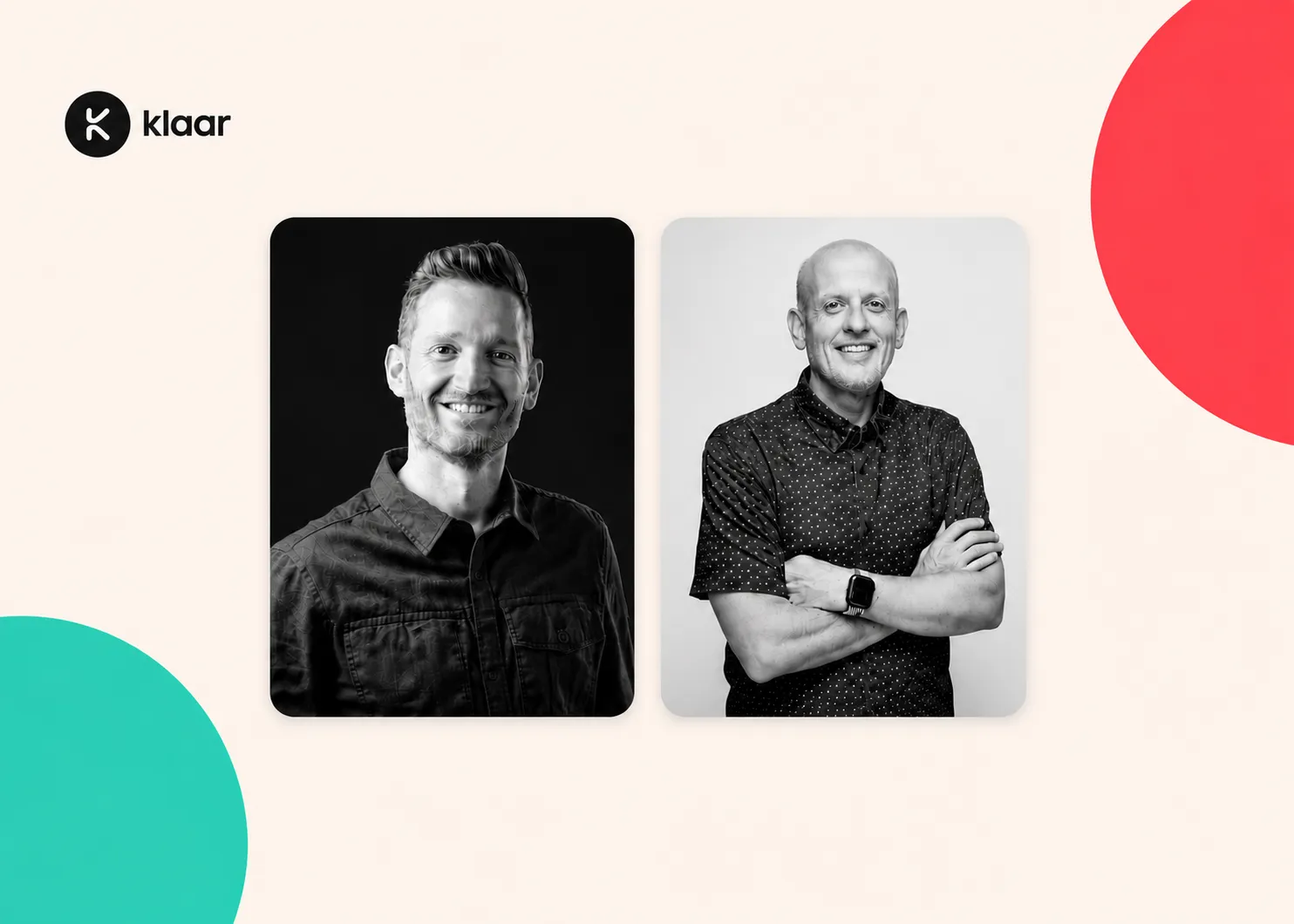
This month, Lana Peters, Chief Revenue & Customer Experience Officer at Klaar, sat down with Adam Weber, Executive Coach and author of Lead Like a Human, and Mark Schaerrer, VP of HR at Verisys Corporation, to discuss what High Care + High Performance actually looks like in practice, why managers so often avoid difficult conversations, and how organizations can create systems that reinforce both accountability and trust.
Check out the full webinar recording below or keep reading for a recap of the biggest themes from the conversation.
1.) Why Care and Accountability Often Feel at Odds
One of the biggest misconceptions the panel unpacked was the idea that empathy and accountability sit on opposite ends of the leadership spectrum.
According to Adam and Mark, they don't.
In fact, the best managers consistently demonstrate both.
The challenge is that many leaders unintentionally drift toward one extreme. Some become so focused on protecting relationships that they avoid difficult conversations altogether. Others become so focused on results that coaching, development, and trust begin to erode.
Neither approach creates sustainable high performance.
Adam described accountability as an act of care rather than the opposite of it. When managers avoid addressing performance issues, they're often delaying conversations employees actually deserve to have. Clear expectations, honest feedback, and coaching aren't signs that a manager cares less…they're often evidence that they care more.
Mark echoed that sentiment, explaining that accountability problems rarely stem from bad intentions. Most managers genuinely want to support their people. They simply haven't been taught how to navigate uncomfortable conversations with confidence.
That reality showed up clearly in our first audience poll.
When asked what performance conversation managers struggle with most, attendees pointed to topics like giving tough feedback, addressing underperformance, compensation discussions, and performance reviews…reinforcing that difficult conversations remain one of the biggest leadership challenges organizations face today.
2.) The Conversations Managers Avoid
The discussion naturally shifted into why managers avoid difficult conversations in the first place.
They worry about damaging relationships. They aren't always sure what to say. And like most people, they naturally want to avoid conflict whenever possible.
The panelists agreed that avoiding these conversations rarely protects employees…it usually creates bigger problems later.
Small performance issues become larger ones. Expectations become less clear. Feedback arrives too late to be useful. By the time formal review season arrives, both the manager and employee are often trying to summarize months of missed conversations.
One of the strongest themes throughout this portion of the discussion was the importance of timeliness.
Effective feedback isn't reserved for annual reviews. It's delivered consistently, close to the moment, while there's still an opportunity to improve.
The conversation also explored where AI fits into all of this.
Both Adam and Mark were optimistic about AI's ability to make managers more effective, but only when it's solving the right problems.
Rather than replacing performance conversations, AI should help managers prepare for them.
Whether that's surfacing relevant context, summarizing prior 1:1s, identifying patterns across feedback, or reducing documentation work, AI has the potential to remove administrative friction so managers can spend more time coaching their people.
Technology can make conversations easier to prepare for. It can't have the conversation for you.
3.) Building Systems That Reinforce the Right Behaviors
Manager behavior doesn't happen in isolation.
As Mark pointed out throughout the discussion, organizations often reinforce the very behaviors they're trying to eliminate through their own performance systems.
Performance reviews, calibration sessions, and compensation cycles all shape how managers approach accountability.
If those systems only reward outcomes, managers may avoid developmental coaching. If they only emphasize relationships, performance expectations can become inconsistent.
The panelists emphasized that organizations shouldn't rely on individual manager styles to determine employee experiences. Instead, they should build processes that make great manager behaviors easier and more consistent across the organization.
That includes clearer expectations, continuous feedback, better documentation, and systems that help managers make fair, informed decisions throughout the year…not just during review season.
Technology also plays an important role here.
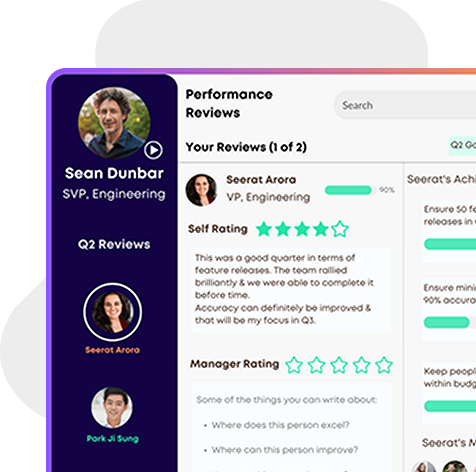
Rather than creating more work for managers, modern performance tools should provide visibility into goals, feedback, and coaching conversations while reducing the administrative burden that often gets in the way of meaningful leadership.
To close out the webinar, Lana asked both panelists one final question: What's one thing HR leaders can do this quarter to help managers balance care and accountability more consistently?
Adam and Mark shared a common message: don't wait for performance conversations to become difficult before having them.
The strongest performance cultures aren't built during annual reviews. They're built through consistent coaching, timely feedback, clear expectations, and systems that make accountability feel like a normal part of leadership…not an uncomfortable event managers try to avoid.
Wrapping Up
A huge thank you again to Adam and Mark for joining us for another fantastic session of Performance IRL.
And if you'd like to continue the conversation, join us for our next webinar on July 21, where we'll be joined by Rebecca Taylor at AllVoices to explore the manager behaviors that predict an employee relations case six months out. You can register for that discussion here. We hope to see you there!
.svg)
Frequently asked questions


.svg)

.svg)